3 Uses of Retaining Walls
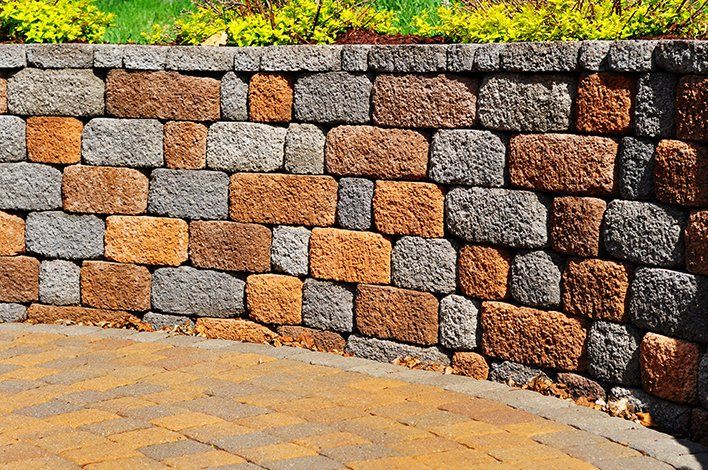
Retaining walls are often used in landscaping, and they do a great job of adding texture and unique aesthetics to the yard. Retaining walls aren't just great for offering style; they actually serve many purposes that help protect your home. If you don't know much about retaining walls, check out how they can be used.
1. To Alter a Slope
Slopes are great for sliding downhill on a sled, but they aren't great for building. The uneven surface makes it hard to build a structure that won't begin to slide off the foundation. For this reason, slopes are often leveled out, but they have to be done gradually, like creating large steps into the side of the slope. The time and money it will take to level the ground largely depends on the extent of the slope.
An incline of about 10 percent is considered easy to fix, but as you reach 20 percent or more, the price and time-frame needed to fix it increases. Once the ground is properly leveled, retaining walls are installed at each level. The reason the retaining walls are necessary is for support. Even if the dirt is cut and leveled, the dirt may not stay.
Heavy buildings, rain, wind, etc. will cause the dirt to fall, which may even lead to a landslide. The retaining walls offer support for this dirt. Think of the retaining walls like a dam, but instead of holding back large amounts of water, the walls hold back the dirt, so it won't be as affected by the lateral pressure of buildings, equipment, etc.
2. To Improve Drainage
If your yard has bad drainage, you may notice pooling water in various places. If the standing water is too close to your home, it can affect the foundation and flood the basement. Standing water in other parts of the yard can also ruin landscaping and attract pests. Slopes, in particular, are notorious for causing poor drainage.
The slopes act as slides, letting the water go to the lowest point in your yard. There are many ways to fix drainage issues, such as installing a rain garden where the water gathers. But retaining walls may stop the problem completely.
When you cut the slope and create tiers with retaining walls, you give the water flat surfaces. Therefore, the water won't drain downhill because there is no hill. Instead, smaller amounts of water will remain on each tier. With less water and more time, the water is better absorbed into the dirt where it is naturally dispersed.
3. To Prevent Erosion
Running water doesn't just increase the risk of poor drainage; it also increases the risk of erosion. Erosion is a natural occurrence that happens when water continually follows the same path. Overtime, the water strips the dirt, taking it with it to create an indented path in the ground. At the very least, this makes your yard look less appealing, but in other cases, it can devastate your yard or home.
Imagine that flowing water keeps traveling through your yard. Eventually, you will have a bald line through the yard because of the water eroding the dirt, which allows the grass to become loose and wash away with the water.
If the water is too close to your home or other structures, it can affect them, too. Water erosion around the foundation can cause it to sink in one spot, increasing the risk of cracks and flooding.
You may just want a retaining wall to add visual style to your yard, but you may need it to prevent serious problems like erosion. If you would like to know more about retaining walls and how they can help, contact usat Jimenez Concrete Inc. today.